
Spanish Alphabet Activities for Spanish class

Make Teaching the Spanish Alphabet FUN (and Stress-Free!)
Teaching the pronunciation of the Spanish alphabet is one of the best ways to kick off Spanish 1. It gives students a strong start with pronunciation, helps them feel more confident when spelling, and builds their listening skills early on.
Since Spanish has consistent vowel sounds and just a few special letter sounds, starting with the alphabet really pays off. When students understand how the letters sound, they’re able to read, speak, and spell Spanish more easily—and with a lot more confidence—from the very beginning.

However, teaching el alfabeto español can be tricky. Pronunciation is new, students are often nervous about speaking, and engagement can drop fast if lessons are straight out of the book. The good news? Teaching the Spanish alphabet doesn’t have to be boring—for you or your students.
These classroom-tested Spanish alphabet activities are perfect for middle school or high school Spanish 1 classes. They’re perfect for back to school, helping students build confidence with pronunciation while keeping energy high from Day 1.
1. Spanish Alphabet Lesson (Slides)
Introduce the letters of the Spanish alphabet in a clear, engaging way. This Spanish Alphabet PowerPoint & Google Slides Lesson gives you everything you need to teach the letters and sounds of the Spanish alphabet. 13 activities to practice pronunciation and spelling!

Includes:
Letters of the Spanish alphabet
A vowel rhyme and song
Special sounds
Pronunciation and spelling practice
Bell ringers
Guess-the-word / celebrity game
Hangman, eye charts, and more
Teachers say it’s fun, simple, and helps novice learners feel successful right away.
2. Spanish Alphabet Pronunciation Charts & Worksheets
These Spanish Alphabet Worksheets are perfect for days when you need something flexible and ready to go. These no-prep worksheets and handouts are great as warm-ups, practice, review, or assessment.

What’s included:
8 differentiated alphabet charts (as seen above)
Cognate reference page (as seen above)
Spelling and dictation activities (as seen below)
Listening practice for Spanish 1
Student response sheets and answer keys
They’re easy to use and great for reinforcing pronunciation!


3. Spanish Alphabet Bingo
Bingo is always a win. This printable Spanish Alphabet Bingo game turns practice into a fun listening activity that students will look forward to.
Focuses on letter pronunciation
Keeps students engaged the entire time
There is also a Spanish Alphabet Bingo in a printer-friendly black-and-white version. Simple, effective, and perfect for review days.

4. Spanish Alphabet Eye Charts
This activity feels like a game—but it’s actually a sneaky pronunciation assessment. Students “read” letters from a Spanish Alphabet Eye Chart and uncover hidden Spanish messages.

How it works:
Hang the poster or project it
Students stand 10 feet away
Cover one eye and read the letters aloud
Track accuracy and discover the hidden message
It’s quick, memorable, and students love it.
5. “Yo Tengo… ¿Quién Tiene?” Spanish Alphabet Game
Get the whole class speaking and listening with this interactive Spanish "I Have... Who Has..." game that works for small groups or whole-class play.

Why it works:
Students practice pronunciation naturally
Everyone participates
Can be timed to add friendly competition
It’s an easy way to make pronunciation fun instead of a chore.
Spanish Alphabet Posters with COGNATES!
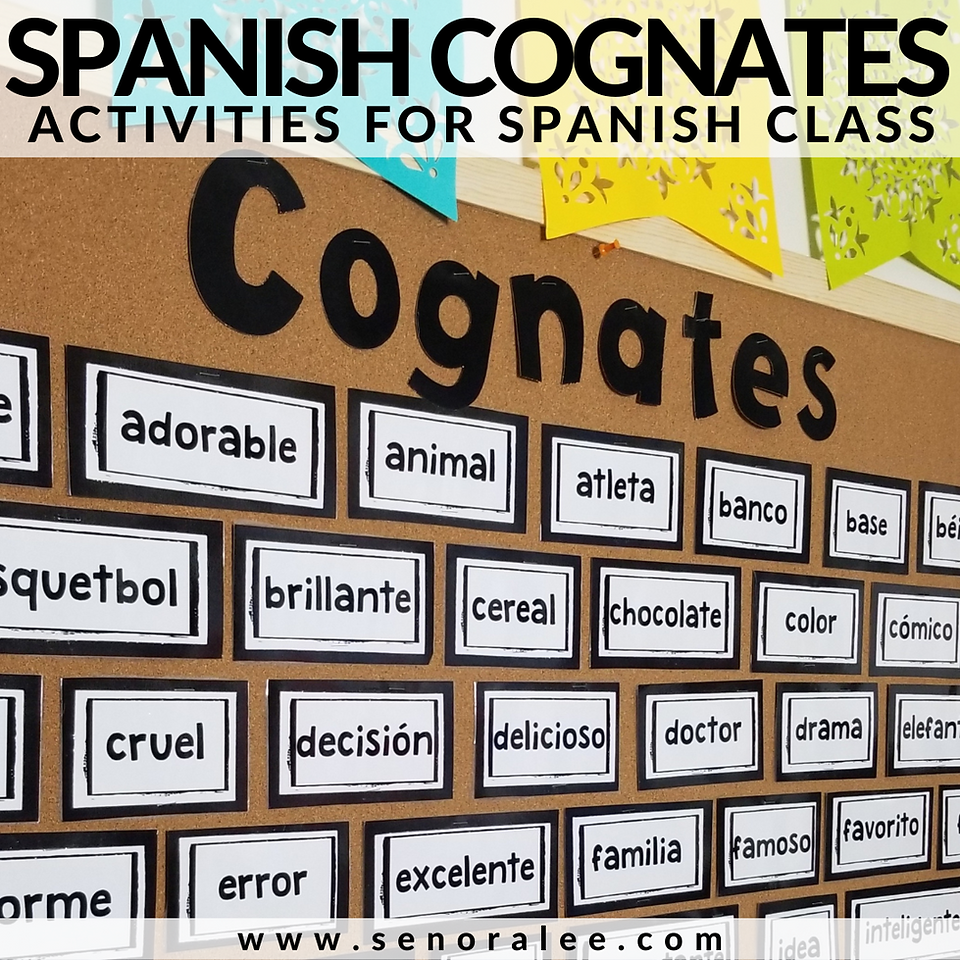
Show students how much they already know with Spanish Alphabet Posters that have 27 Spanish cognates from A to Z. These posters are perfect Spanish classroom decor for bulletin boards or above the whiteboard.
Use them to practice:
Pronunciation
Spelling
Masculine and feminine nouns
Definite articles

These Spanish posters are meaningful classroom décor that supports learning all year long.
When students know the Spanish alphabet and the sounds each letter makes, everything else starts to click—pronunciation improves, spelling feels easier, and learning Spanish becomes a lot more fun.
With engaging activities like these, your students can begin the year in Spanish class feeling successful, supported, and excited to learn.

Related Posts:


Comments